
How to Use Flowers as a Therapeutic Tool in Occupational Therapy
Sometimes the best occupational therapy interventions don’t feel like “therapy” at all.
One of my favorite ways to create a meaningful, functional treatment session is by taking an everyday activity and intentionally using it to target a patient’s goals. Something as simple as arranging flowers can address fine motor skills, standing balance, activity tolerance, cognition, upper-extremity function, and even social and emotional well-being.
And the best part? At the end of the session, your patient has something beautiful they created themselves.
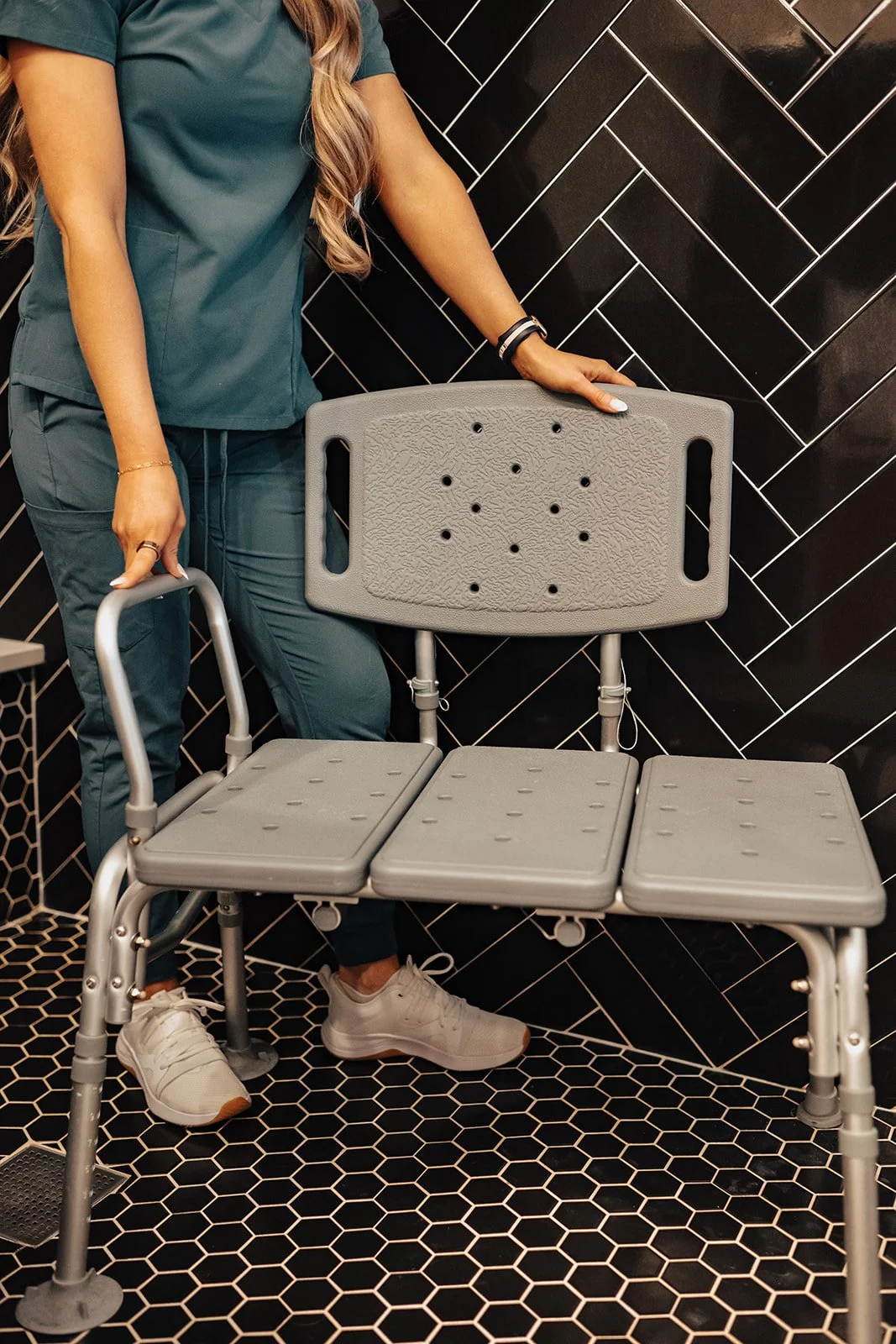
Signs an Older Adult May Benefit From Occupational Therapy
As we age, it’s normal for certain daily activities to become a little more challenging. But sometimes, small changes in an older adult’s routine can be early signs that they could benefit from additional support.
Maybe getting dressed is taking longer than it used to. Maybe they’ve stopped showering as frequently, are holding onto furniture when they walk, or have slowly stopped participating in activities they once loved. These changes can be easy to brush off as “just part of getting older,” but they may actually be signs that occupational therapy (OT) could help.
Occupational therapists work with older adults to help them remain safe, independent, and engaged in the everyday activities—or occupations—that are meaningful to them.
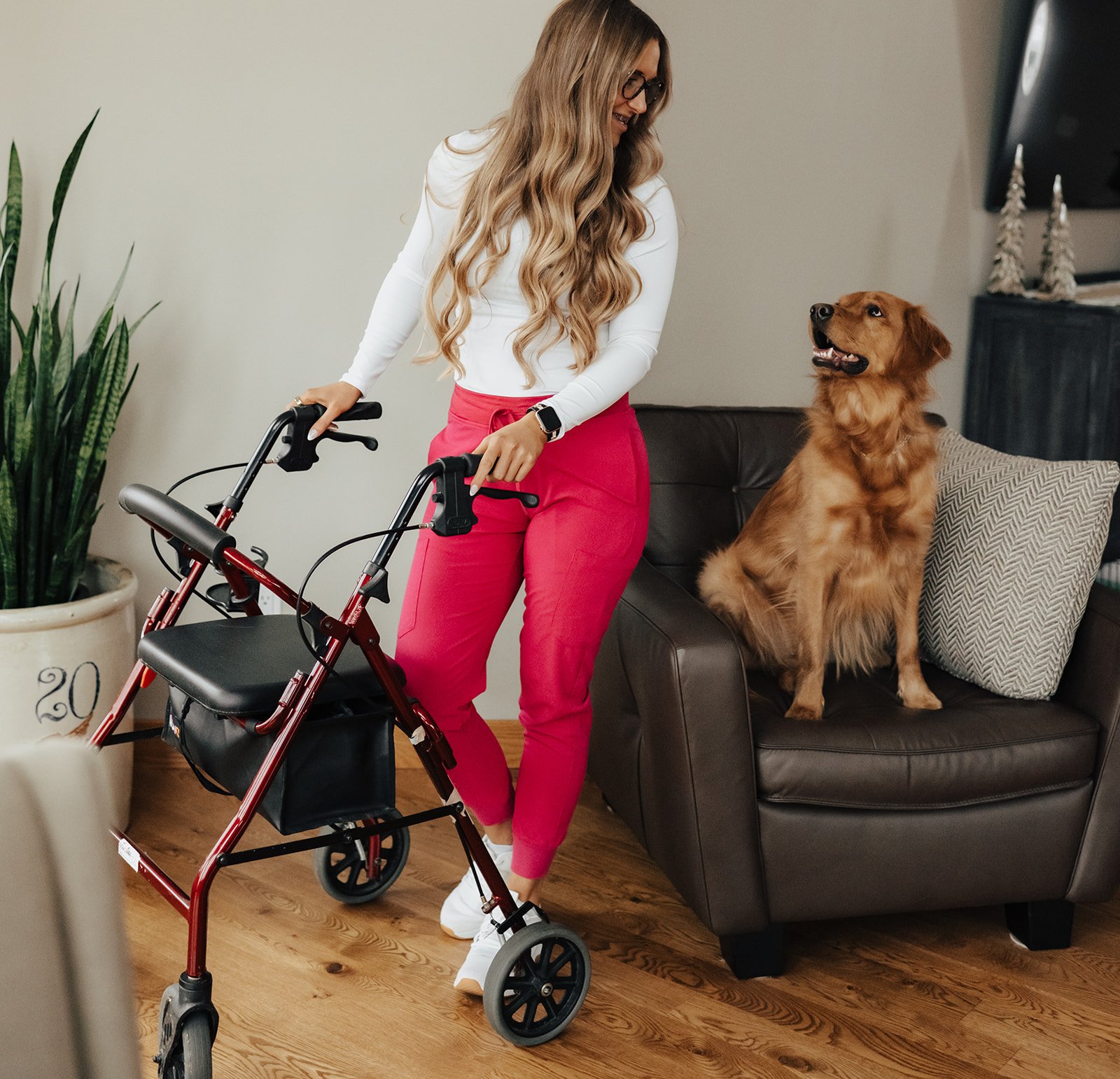
The Hardest Part of Working With Older Adults as an Occupational Therapist
Working with older adults is one of the most rewarding parts of being an occupational therapist. It’s also one of the hardest.
When you work closely with someone week after week, they become more than a diagnosis, a plan of care, or a name on your schedule. You learn about their families. You hear stories from decades ago. You learn what makes them laugh, what motivates them, what frustrates them, and what matters most to them.
You celebrate their wins right alongside them. And sometimes, you experience their losses, too.

What’s in My OT Bag? Essentials for the On-the-Go Occupational Therapist
I use a rolling bag to carry my therapy essentials from one patient to the next. And while it might look like I’m packing for a weekend getaway, everything inside has a purpose. Working with older adults in their natural environments requires flexibility, creativity, and the ability to adapt a treatment session based on what I find when I walk through the door.
From vitals and fall prevention to strengthening, cognition, fine motor skills, and adaptive equipment, here’s a look inside my OT bag.
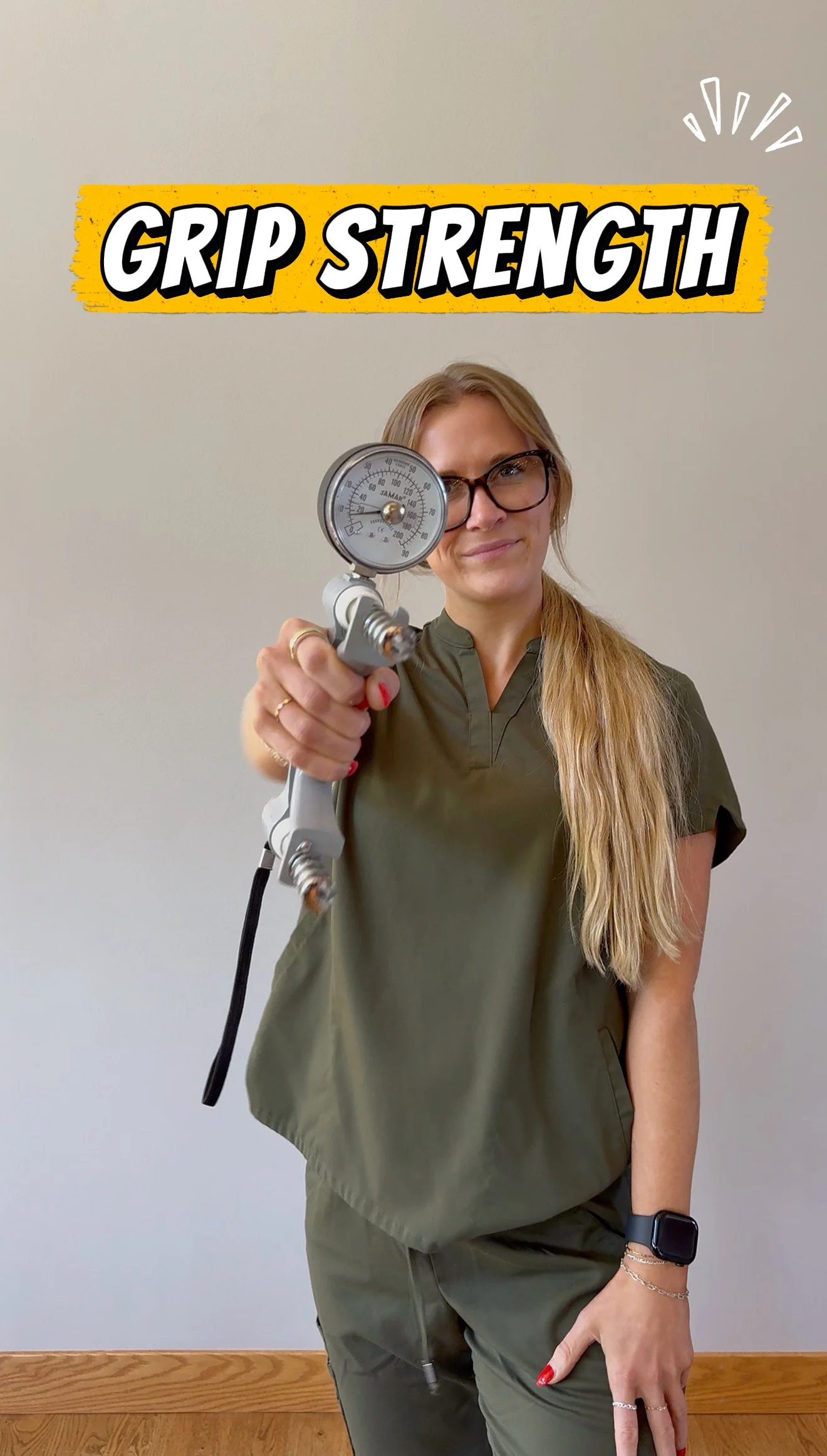
Grip Strength and Fall Prevention: Why This Simple Measure Matters More Than You Think
When we think about fall prevention, we typically think about balance, lower-body strength, mobility, vision, medications, and the home environment.
But what about grip strength?
How Occupational Therapy Can Help Prevent UTIs in Older Adults
Urinary tract infections (UTIs) are one of the most common infections affecting older adults. While many people think of antibiotics as the primary treatment, prevention often begins with something much simpler—our daily routines.
Occupational therapists (OTs) play an important role in helping older adults maintain independence with everyday activities that can reduce the risk of developing a UTI. By addressing mobility, self-care, cognition, hydration, and the home environment, OT can help support healthy bladder habits while improving overall quality of life.
Let's explore how.
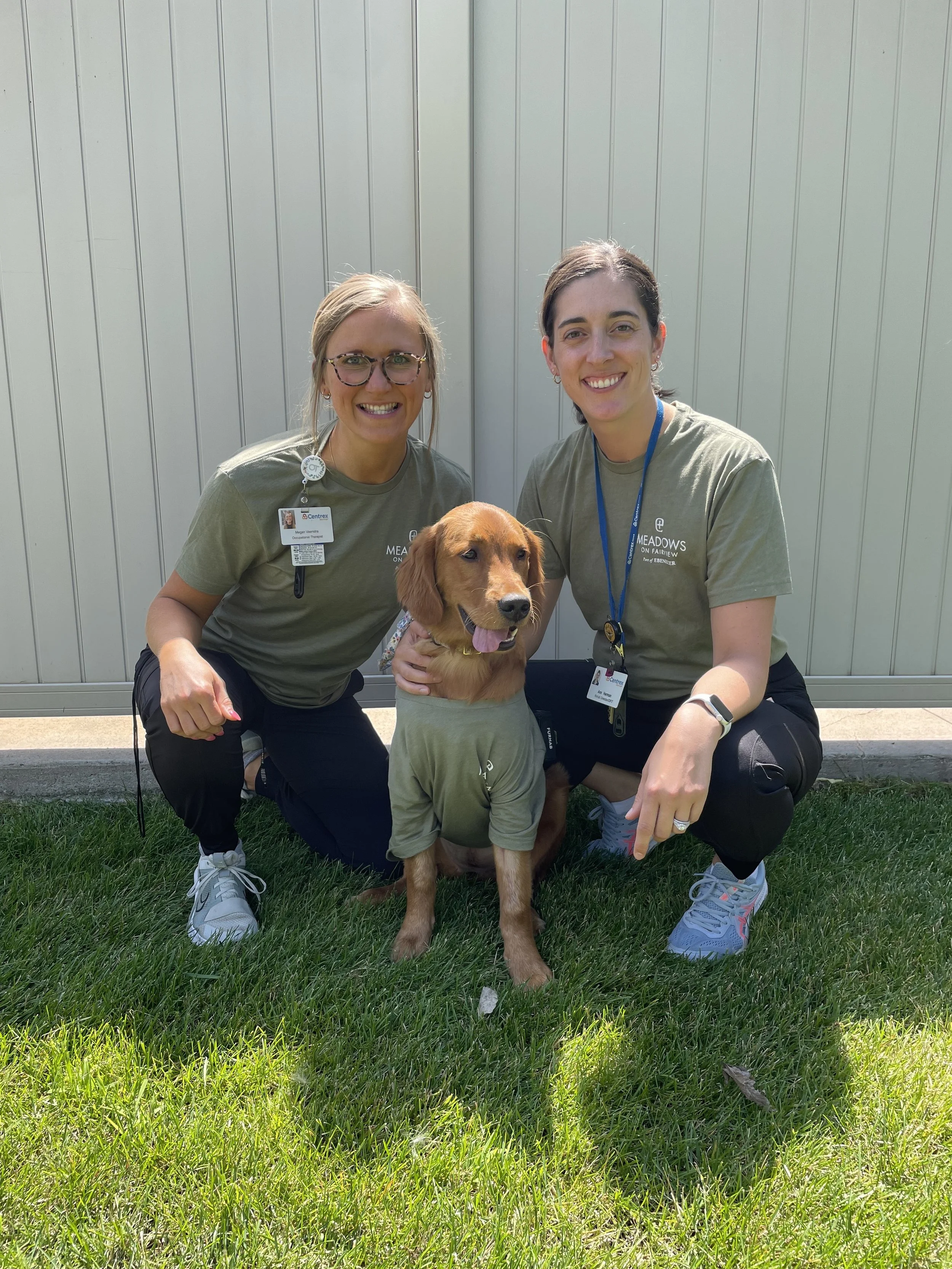
Leaving My First OT Job: Why It's Okay to Turn the Page
When I graduated from occupational therapy school, I thought finding my first job would be the hardest part of my career. I was wrong. Leaving it was.
Like many new graduates, I poured everything I had into becoming the best occupational therapist I could be. I celebrated my first patient successes, learned from my mistakes, navigated difficult conversations with families, and slowly built the confidence that only comes with experience. My first job wasn't just where I worked—it was where I grew up professionally.
It's also where The Golden OT was born.
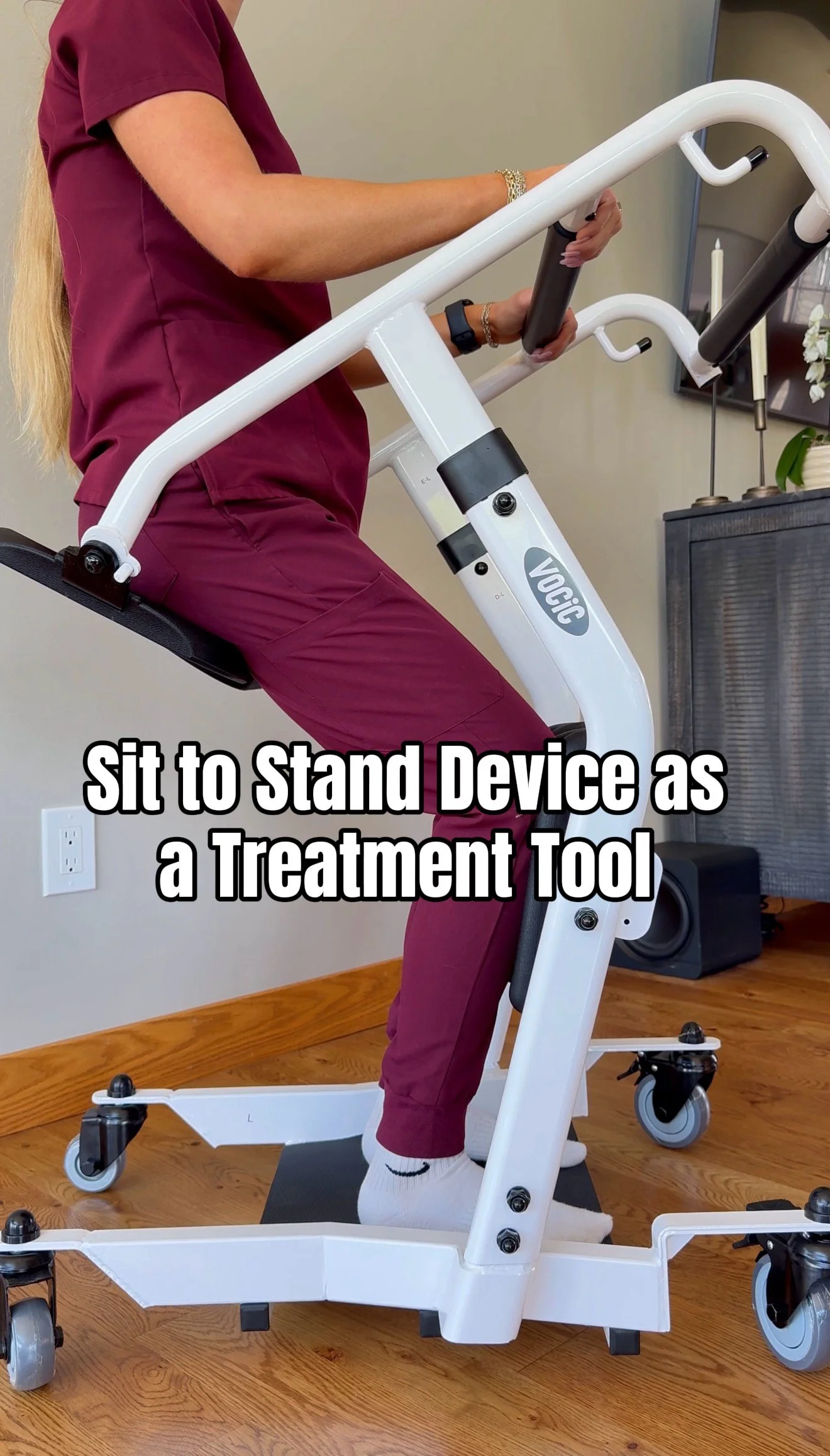
The Sit-to-Stand Device: More Than Just a Transfer Aid
Most clinicians think of a sit-to-stand device as a transfer aid, but it can also be a valuable therapy tool. Learn how occupational therapists can use sit-to-stand devices to address lower extremity strength, standing tolerance, balance, weight shifting, and ADL performance while promoting safety, confidence, and functional independence.
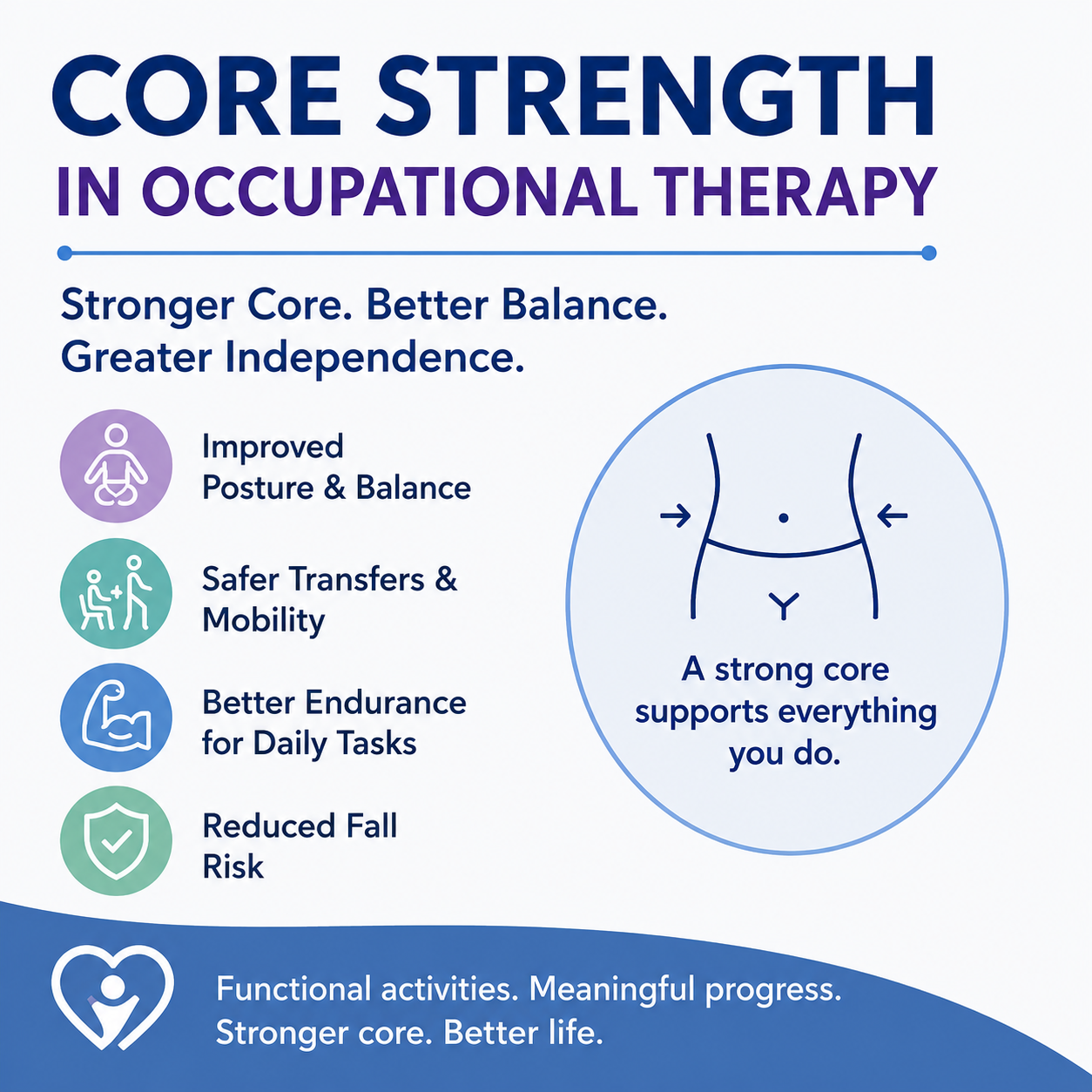
Why Core Strength Matters in Occupational Therapy
When people hear core strengthening, they often think of fitness classes or abdominal workouts. In occupational therapy, however, core strength is much more than a “six-pack” concept. The core includes the muscles of the abdomen, back, pelvis, and hips that help stabilize the body during everyday activities.