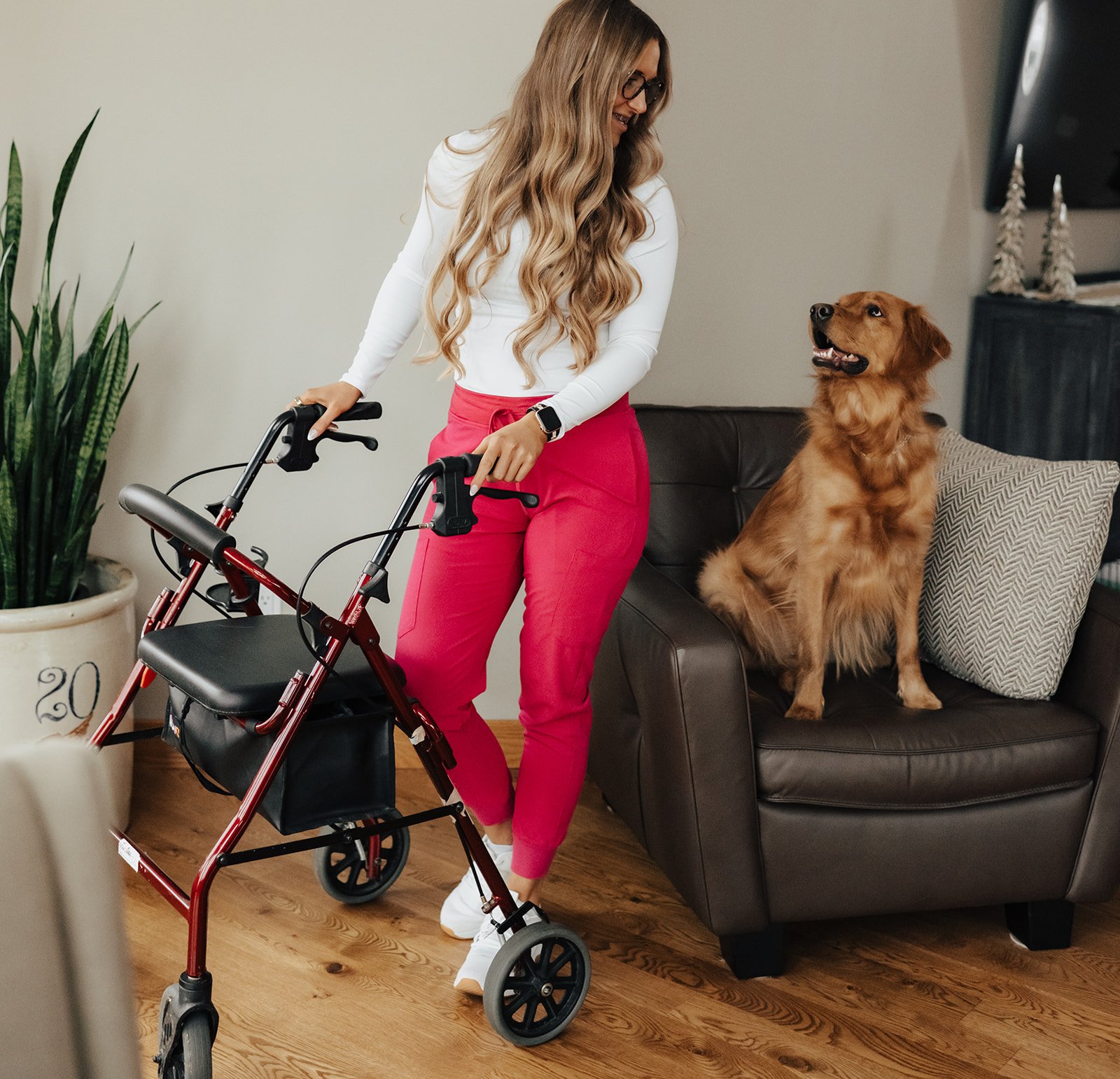
The Hardest Part of Working With Older Adults as an Occupational Therapist
Working with older adults is one of the most rewarding parts of being an occupational therapist. It’s also one of the hardest.
When you work closely with someone week after week, they become more than a diagnosis, a plan of care, or a name on your schedule. You learn about their families. You hear stories from decades ago. You learn what makes them laugh, what motivates them, what frustrates them, and what matters most to them.
You celebrate their wins right alongside them. And sometimes, you experience their losses, too.
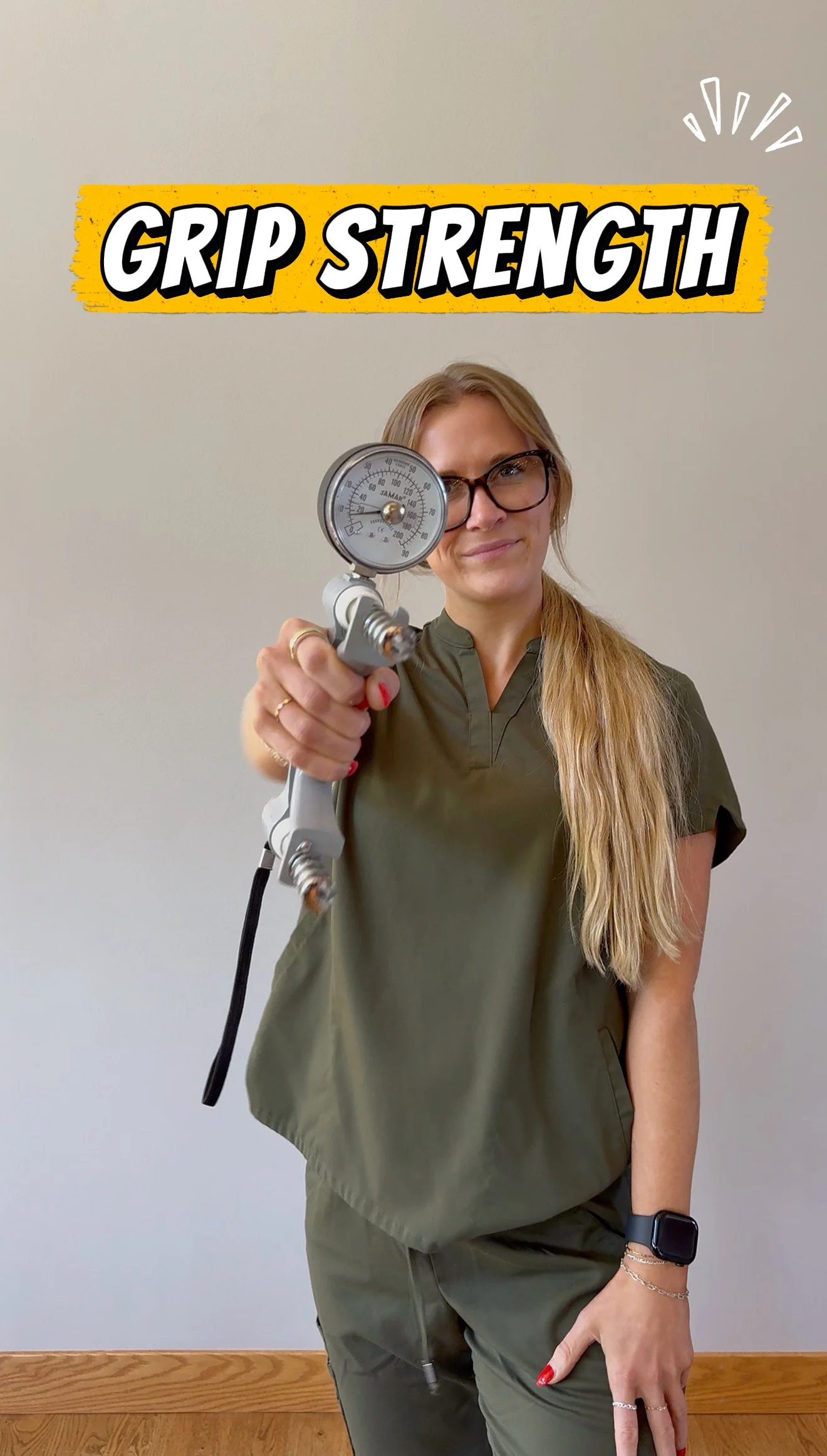
Grip Strength and Fall Prevention: Why This Simple Measure Matters More Than You Think
When we think about fall prevention, we typically think about balance, lower-body strength, mobility, vision, medications, and the home environment.
But what about grip strength?
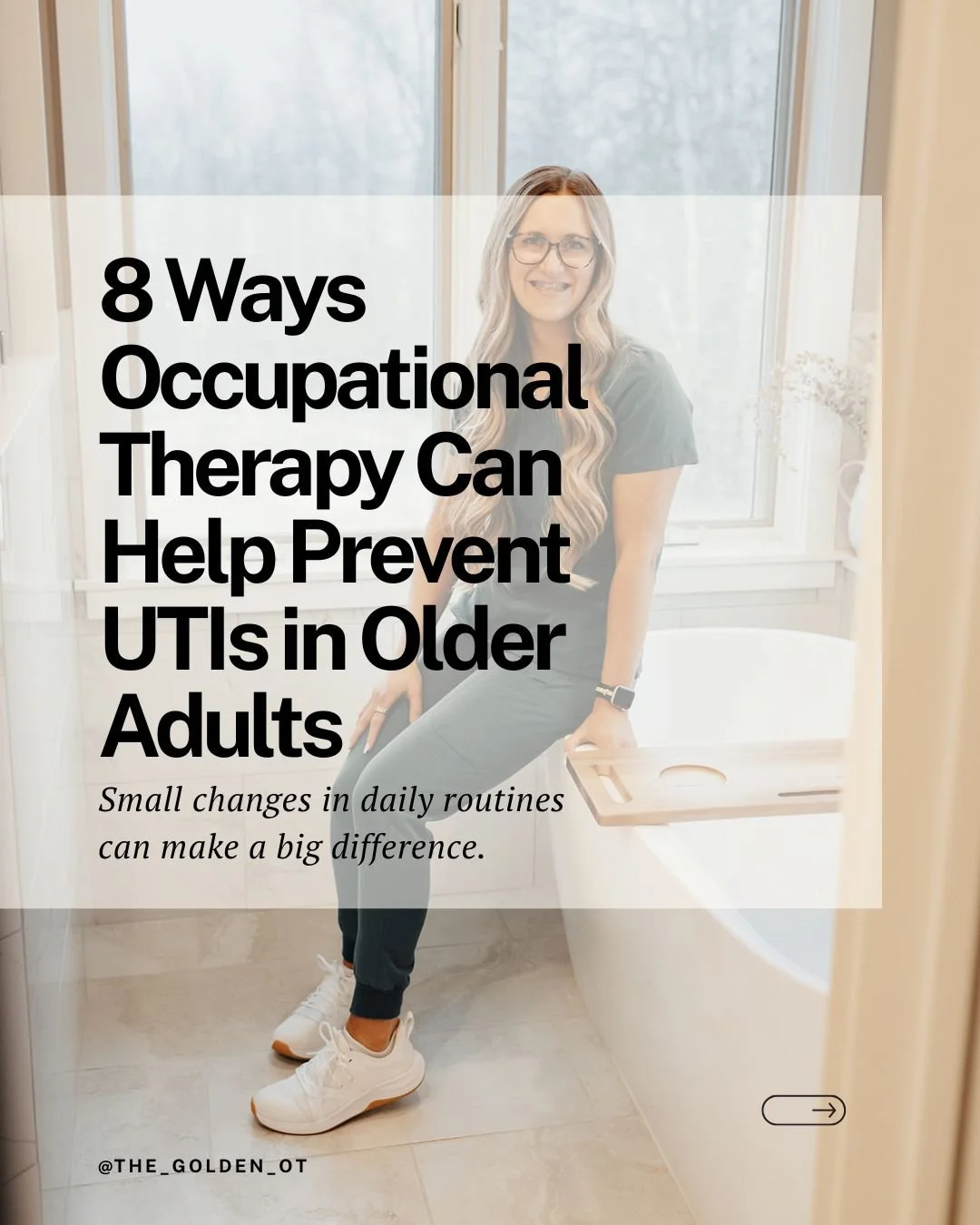
How Occupational Therapy Can Help Prevent UTIs in Older Adults
Urinary tract infections (UTIs) are one of the most common infections affecting older adults. While many people think of antibiotics as the primary treatment, prevention often begins with something much simpler—our daily routines.
Occupational therapists (OTs) play an important role in helping older adults maintain independence with everyday activities that can reduce the risk of developing a UTI. By addressing mobility, self-care, cognition, hydration, and the home environment, OT can help support healthy bladder habits while improving overall quality of life.
Let's explore how.

