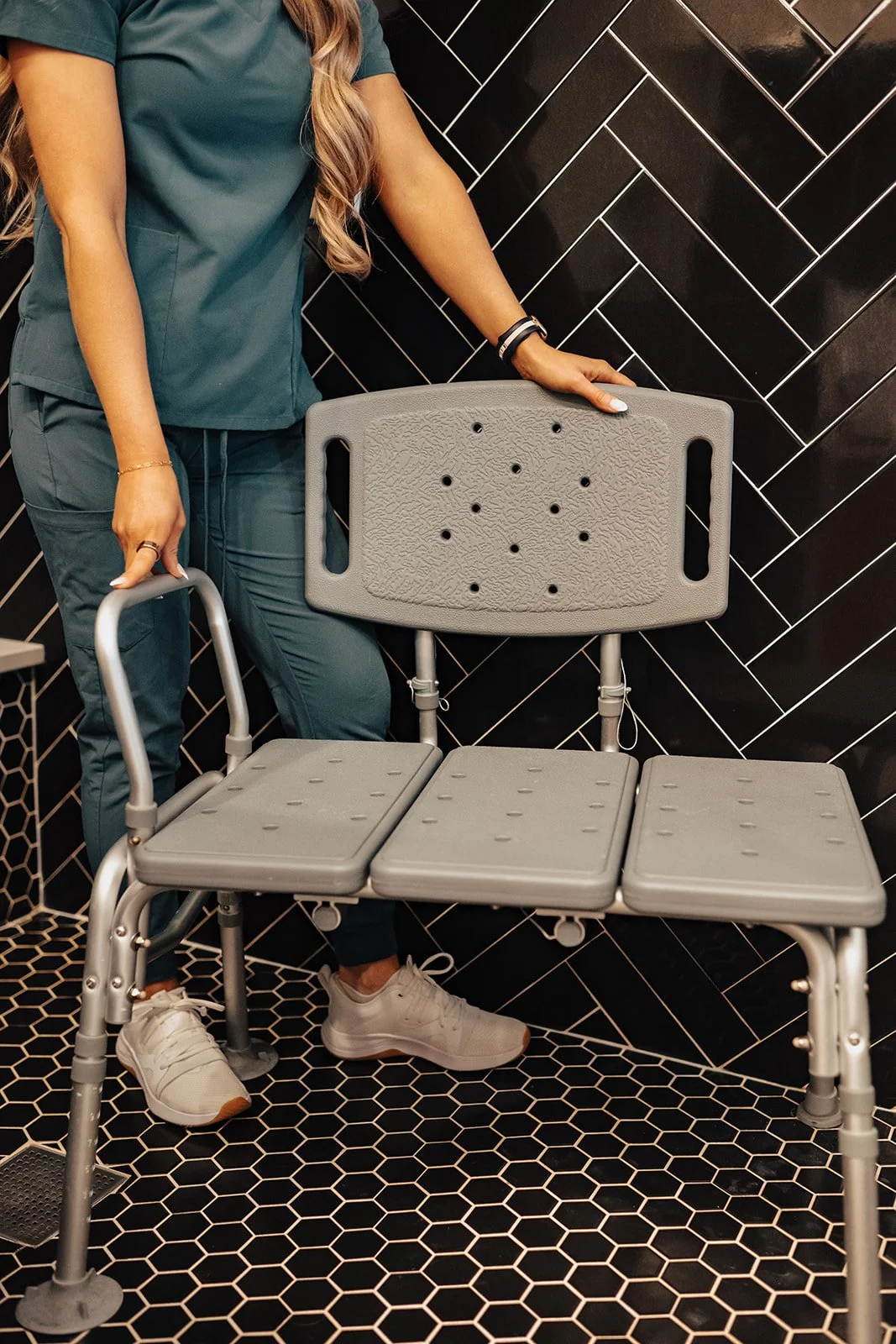
Signs an Older Adult May Benefit From Occupational Therapy
As we age, it’s normal for certain daily activities to become a little more challenging. But sometimes, small changes in an older adult’s routine can be early signs that they could benefit from additional support.
Maybe getting dressed is taking longer than it used to. Maybe they’ve stopped showering as frequently, are holding onto furniture when they walk, or have slowly stopped participating in activities they once loved. These changes can be easy to brush off as “just part of getting older,” but they may actually be signs that occupational therapy (OT) could help.
Occupational therapists work with older adults to help them remain safe, independent, and engaged in the everyday activities—or occupations—that are meaningful to them.

The Hardest Part of Working With Older Adults as an Occupational Therapist
Working with older adults is one of the most rewarding parts of being an occupational therapist. It’s also one of the hardest.
When you work closely with someone week after week, they become more than a diagnosis, a plan of care, or a name on your schedule. You learn about their families. You hear stories from decades ago. You learn what makes them laugh, what motivates them, what frustrates them, and what matters most to them.
You celebrate their wins right alongside them. And sometimes, you experience their losses, too.