6 Creative Occupational Therapy Modifications Using a Simple Ponytail Holder
As occupational therapists, we are constantly looking for simple, affordable solutions that help our patients remain independent in their daily activities. Sometimes the most effective adaptive equipment isn't found in a medical supply catalog—it can be found in a dollar store or even a bathroom drawer.
One surprisingly versatile tool is the humble ponytail holder. With a little creativity, a simple elastic hair tie can be transformed into an adaptive aid that supports participation in self-care, feeding, mobility, and daily routines.
Here are six ways a ponytail holder can be used as an occupational therapy modification.
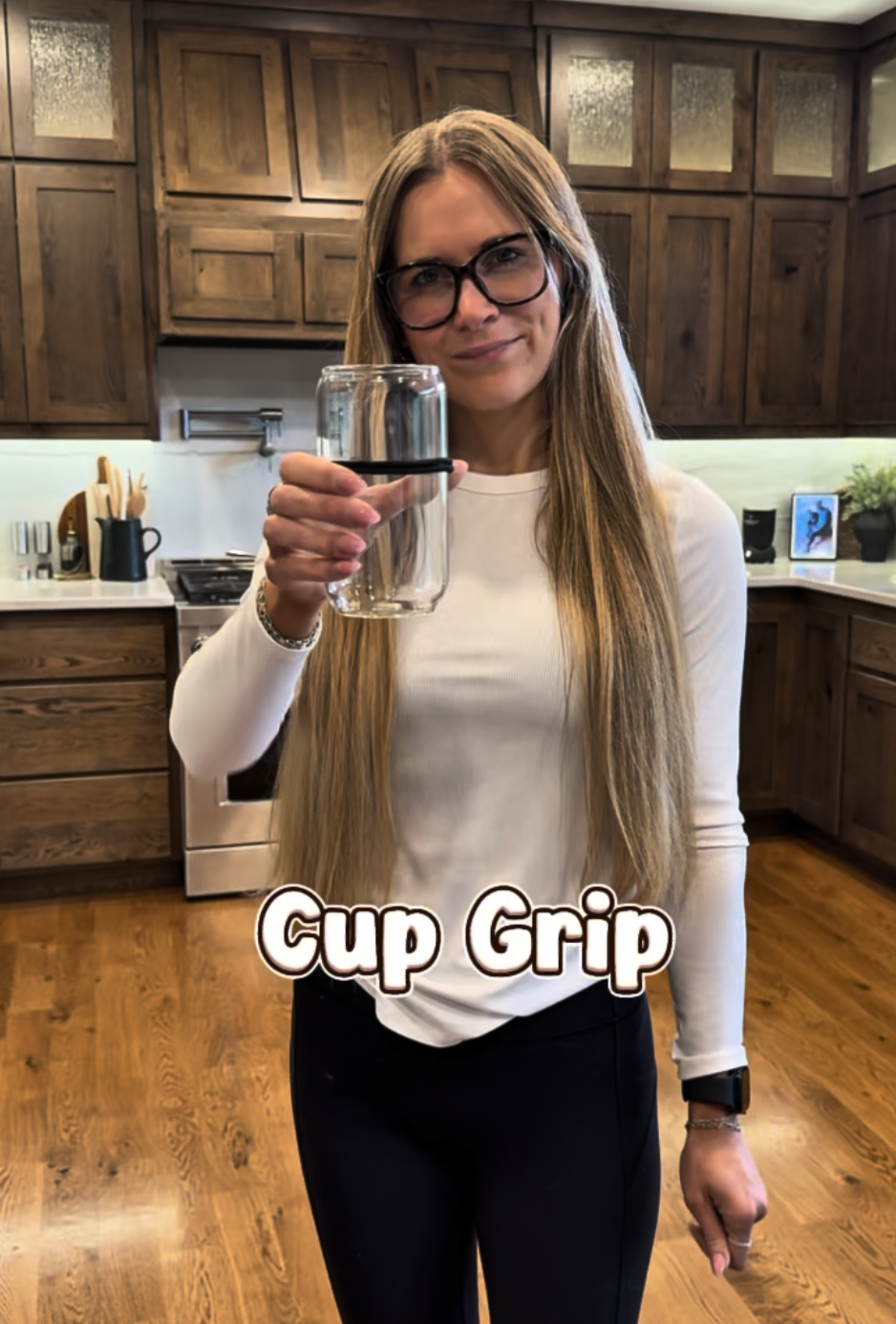
1. Create a Cup Grip for Easier Drinking
For individuals with decreased grip strength, arthritis, hand pain, or limited hand function, grasping a cup can be challenging.
Loop a ponytail holder around a cup or water bottle to create an instant handle-like grip. Patients can slide their fingers through the elastic loop, reducing the amount of grasp strength required to hold and lift the cup.
Benefits:
Improves independence with hydration
Reduces hand fatigue
Supports individuals with arthritis or weakness
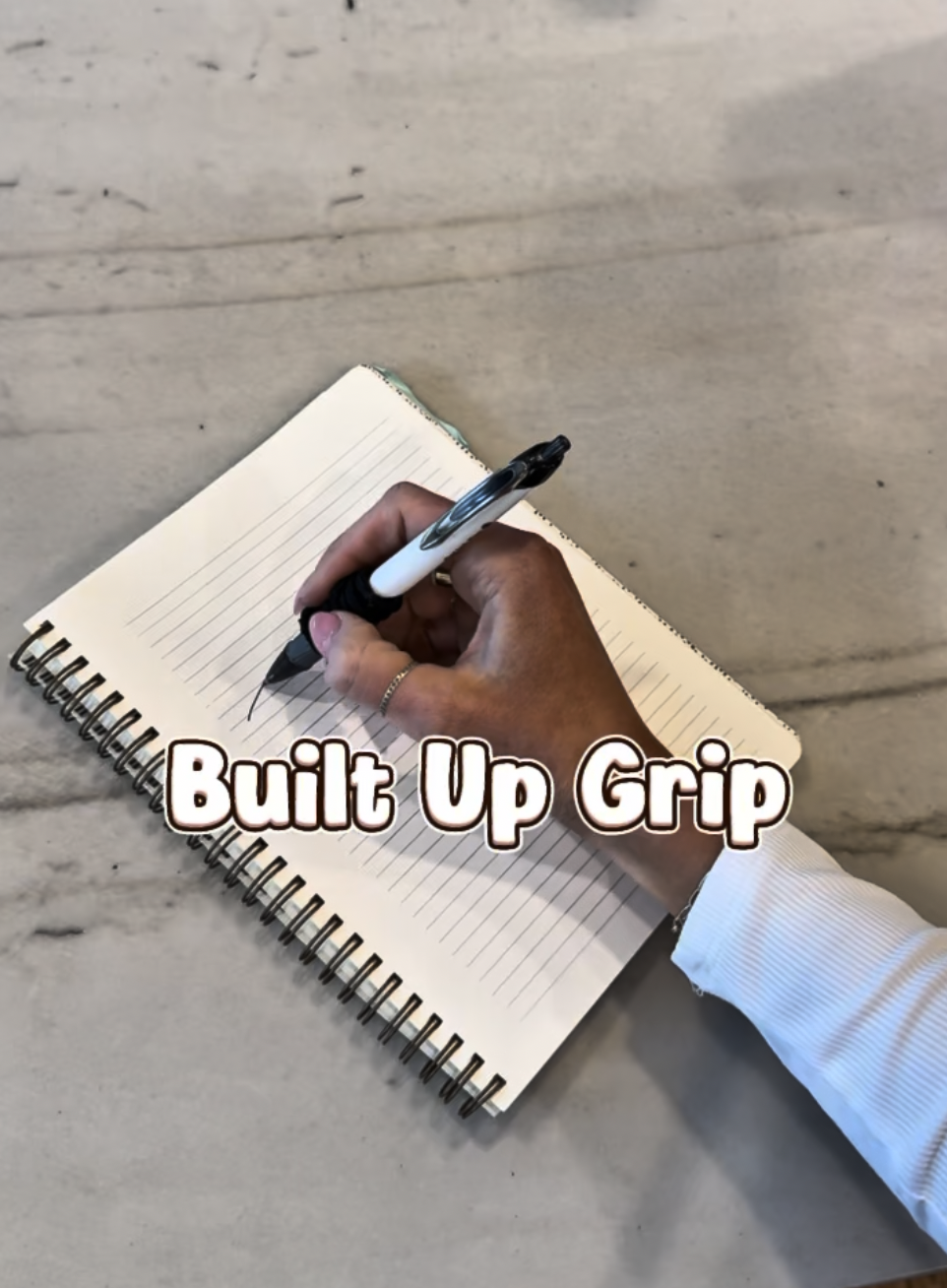
2. Build Up Utensil Handles
Standard utensils can be difficult to hold for individuals with reduced hand strength, limited dexterity, or neurological conditions.
Wrap several ponytail holders around the handle of a spoon, fork, or toothbrush to increase the diameter of the grip. This creates a built-up handle that is easier to grasp and control during feeding or grooming tasks.
Benefits:
Improves utensil control
Decreases the need for a tight grasp
Supports participation in self-feeding and self-care
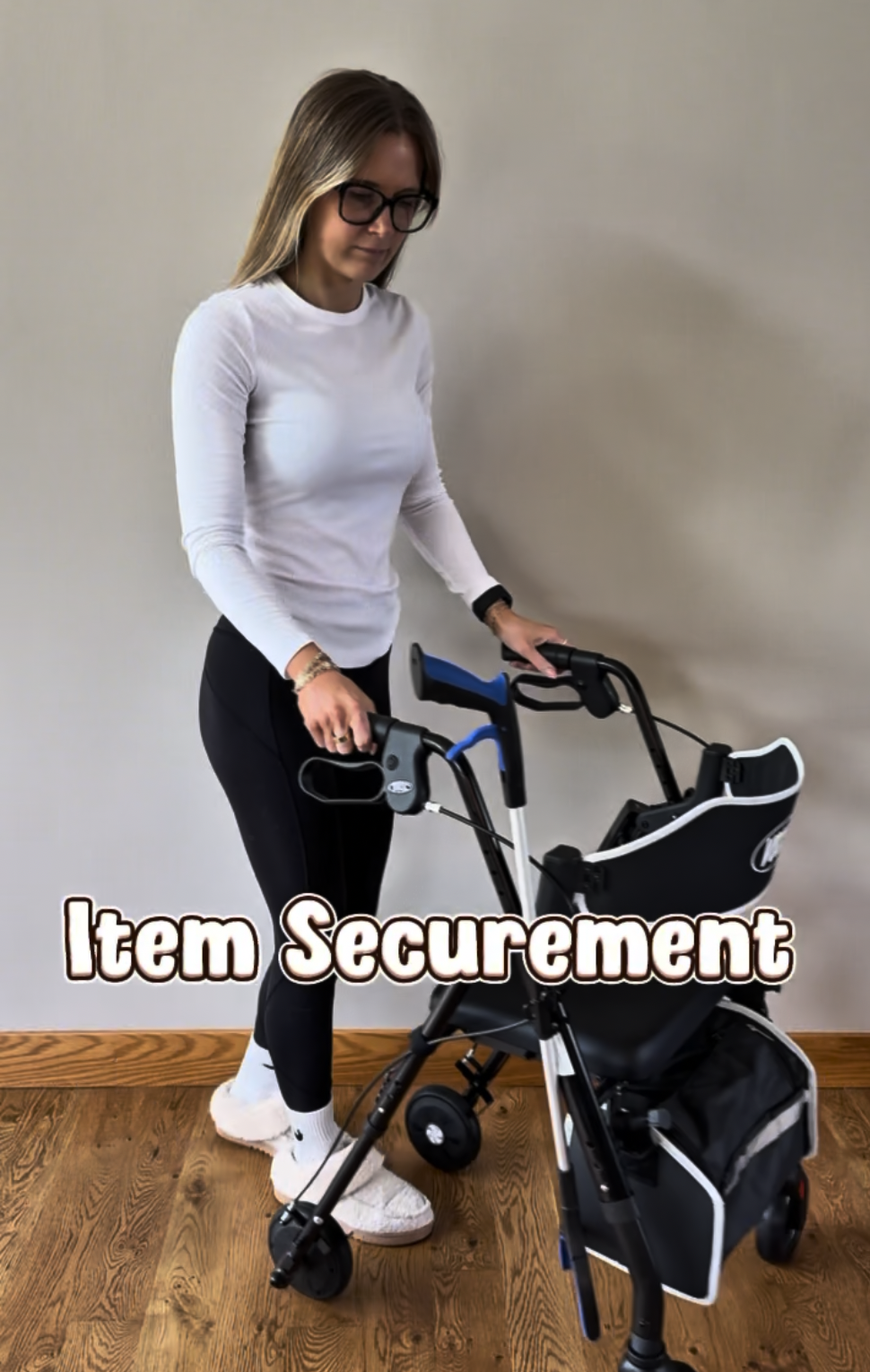
3. Secure Personal Items to a Walker or Wheelchair
Many individuals using walkers or wheelchairs struggle with transporting frequently used items such as water bottles, remotes, tissues, or small bags.
A ponytail holder can be used to attach lightweight items directly to a wheelchair armrest, walker frame, or mobility device. This keeps essential items within reach and reduces the risk of dropping or losing belongings.
Benefits:
Promotes accessibility
Encourages independence
Improves safety and organization
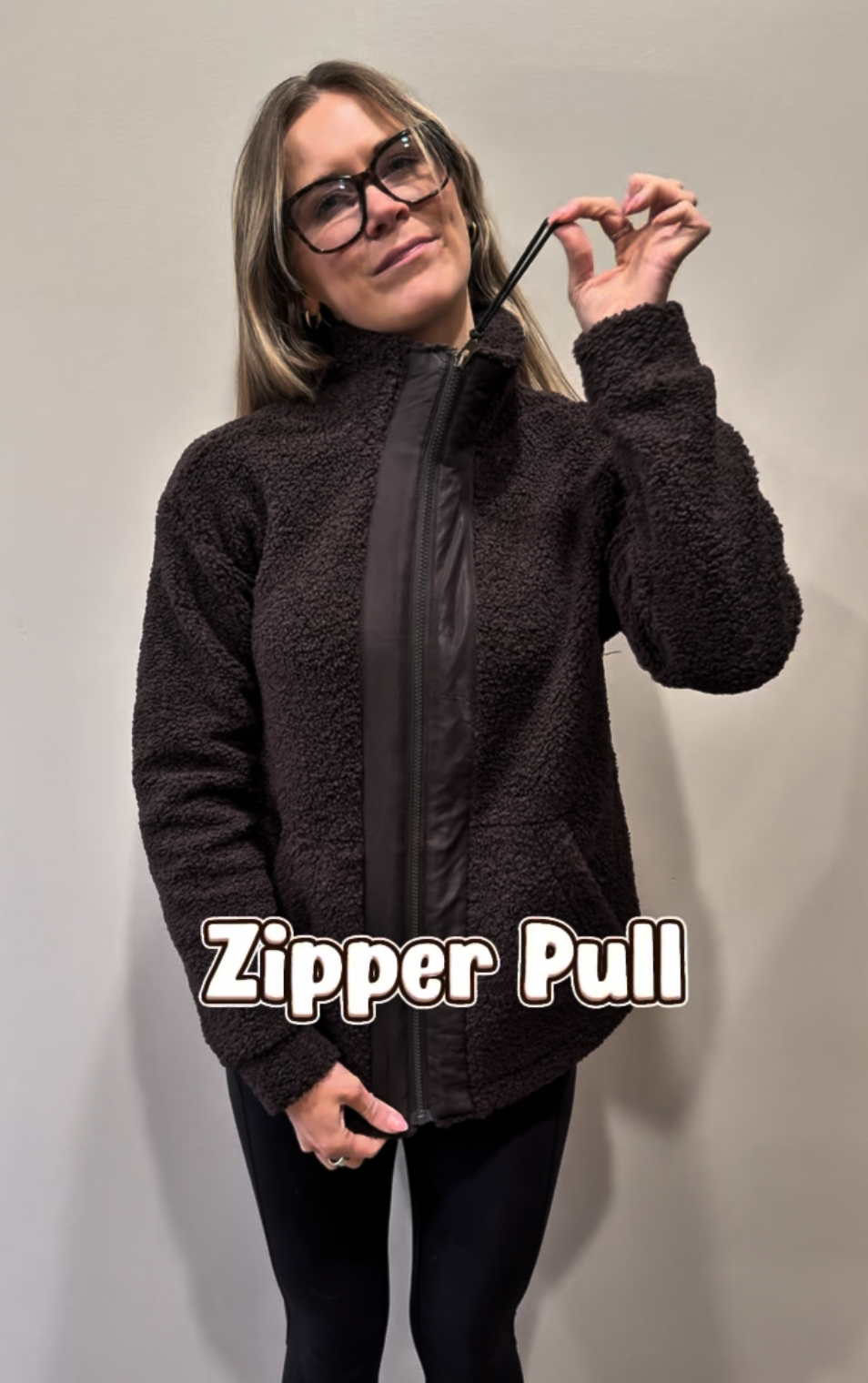
4. Create an Easy-Grasp Zipper Pull
Small zipper tabs can be difficult to manipulate for individuals with arthritis, tremors, weakness, or decreased fine motor coordination.
Simply loop a ponytail holder through the zipper hole to create a larger pull tab. The larger loop requires less precision and provides a larger target for grasping.
Benefits:
Increases independence with dressing
Reduces frustration
Supports fine motor limitations
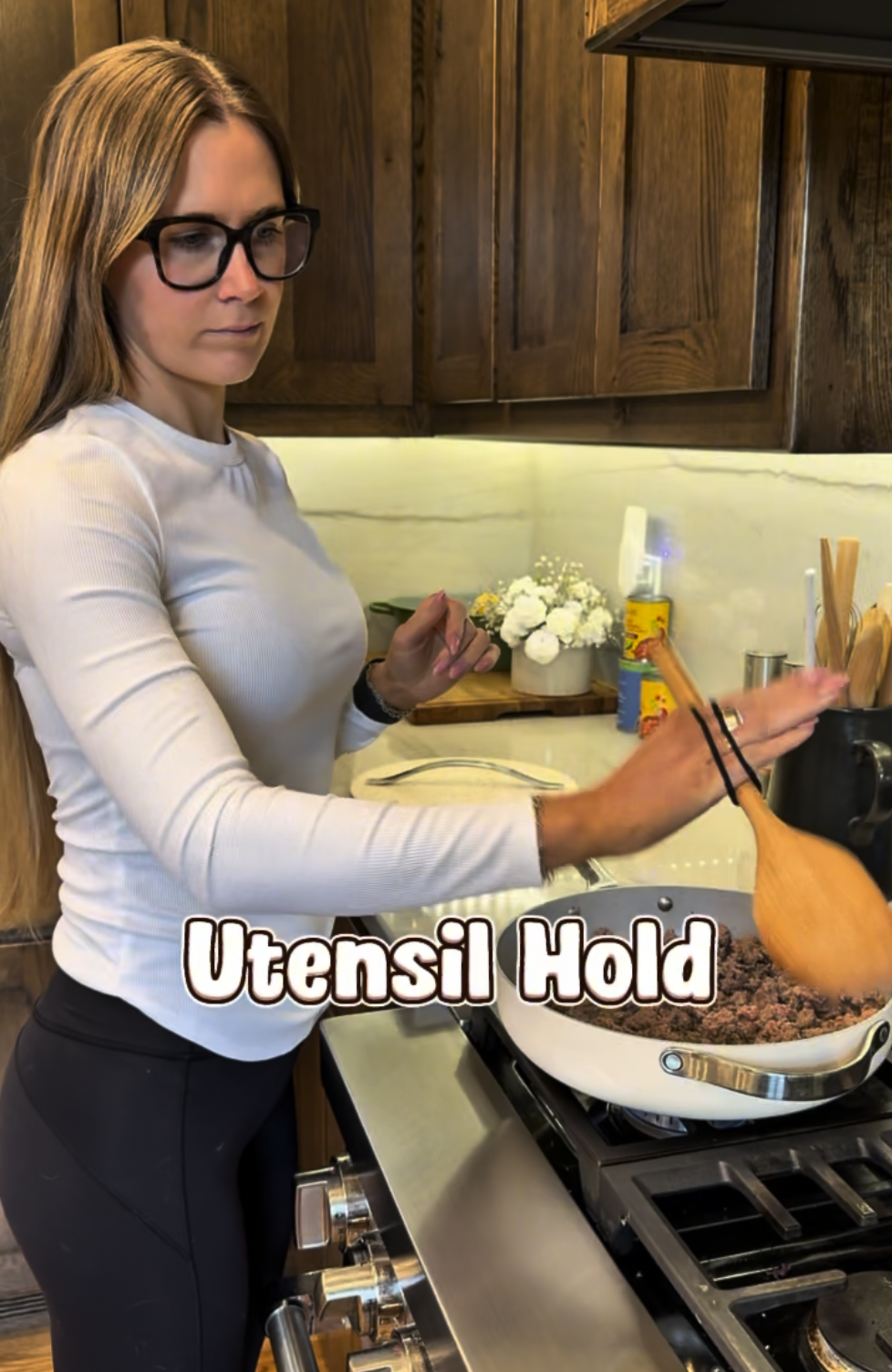
5. Secure an Item to the Hand
For individuals with significant weakness, decreased grasp endurance, or neurological impairments, maintaining a grip on an object can be difficult.
A ponytail holder can help secure lightweight items such as a washcloth, stylus, marker, or small therapy tool to the hand. The elastic loop helps maintain contact with the object while reducing the amount of active grip required.
Benefits:
Supports participation in therapeutic activities
Conserves energy
Encourages successful task completion
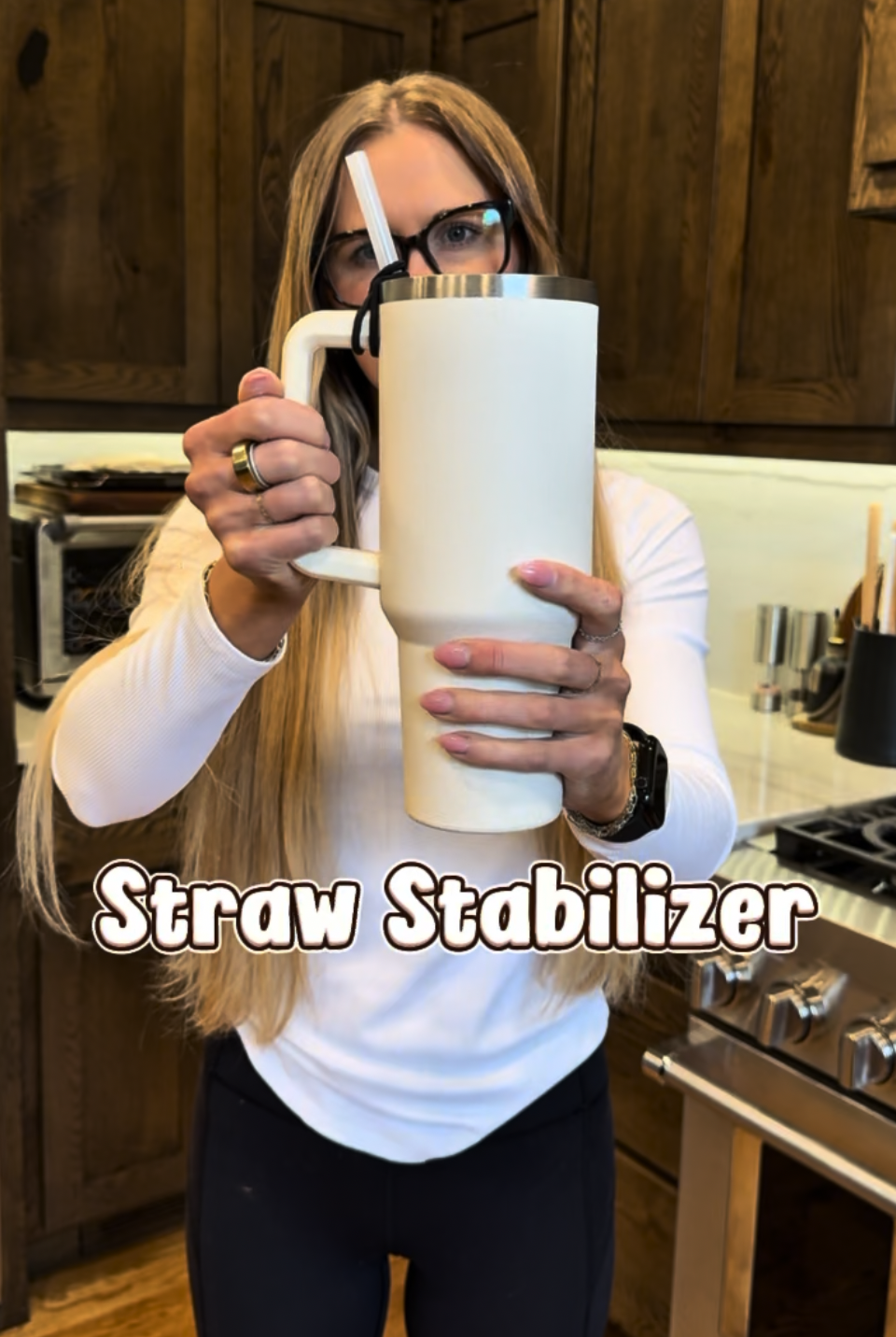
6. Create a Straw Stabilizer
For individuals with tremors, weakness, limited upper extremity mobility, or reduced coordination, keeping a straw in the correct position can be challenging. A straw that constantly shifts can lead to frustration, increased effort, or even reduced fluid intake.
A simple ponytail holder can be wrapped around a cup or water bottle and used to hold a straw in place. By threading the straw through the elastic loop, the straw remains more stable and accessible, reducing the need for frequent repositioning.
Benefits:
Promotes independence with drinking
Reduces frustration and energy expenditure
Supports individuals with tremors or limited arm mobility
Encourages adequate hydration
The Occupational Therapy Perspective
Occupational therapy is about helping people participate in the activities that matter most to them. While specialized adaptive equipment can be incredibly valuable, creative low-cost solutions can often be just as effective.
A simple ponytail holder demonstrates how everyday objects can be transformed into meaningful adaptations that support independence, safety, and engagement in daily life. These modifications are affordable, accessible, and easy to implement in a variety of settings, making them valuable tools for therapists, caregivers, and individuals alike.
Sometimes the best intervention is not the most expensive one—it's simply looking at an ordinary item through an occupational therapy lens.
